In a ceremony held at the site of the former Entebbe airport terminal, a statue of Yonatan Netanyahu was unveiled, marking nearly five decades since the audacious Israeli commando raid. Netanyahu, brother to current Israeli Prime Minister Benjamin Netanyahu, was the sole Israeli soldier killed during Operation Entebbe on July 4, 1976. The operation successfully rescued over 100 hostages, primarily Israeli citizens, held by Palestinian and German militants following the hijacking of Air France Flight 139.
The unveiling took place on Thursday, with attendees including Ugandan government officials, Israeli representatives, and members of the Netanyahu family. The statue serves as a permanent memorial to Netanyahu's leadership of the Sayeret Matkal special forces unit during the mission. The event underscores the complex historical threads connecting Uganda, Israel, and the broader narrative of international counter-terrorism efforts.
The 1976 hijacking, perpetrated by the Popular Front for the Liberation of Palestine – External Operations (PFLP-EO) and German Revolutionary Cells, saw the Air France Airbus A300 diverted to Entebbe. The hijackers separated Israeli and Jewish passengers from the others, holding them under threat of execution unless 53 Palestinian and pro-Palestinian militants were released from prisons worldwide. The then-Ugandan President Idi Amin Dada, initially presenting himself as a mediator, was later implicated in collaborating with the hijackers, providing them with additional security forces and refusing to allow a rescue attempt by the Kenyan government.
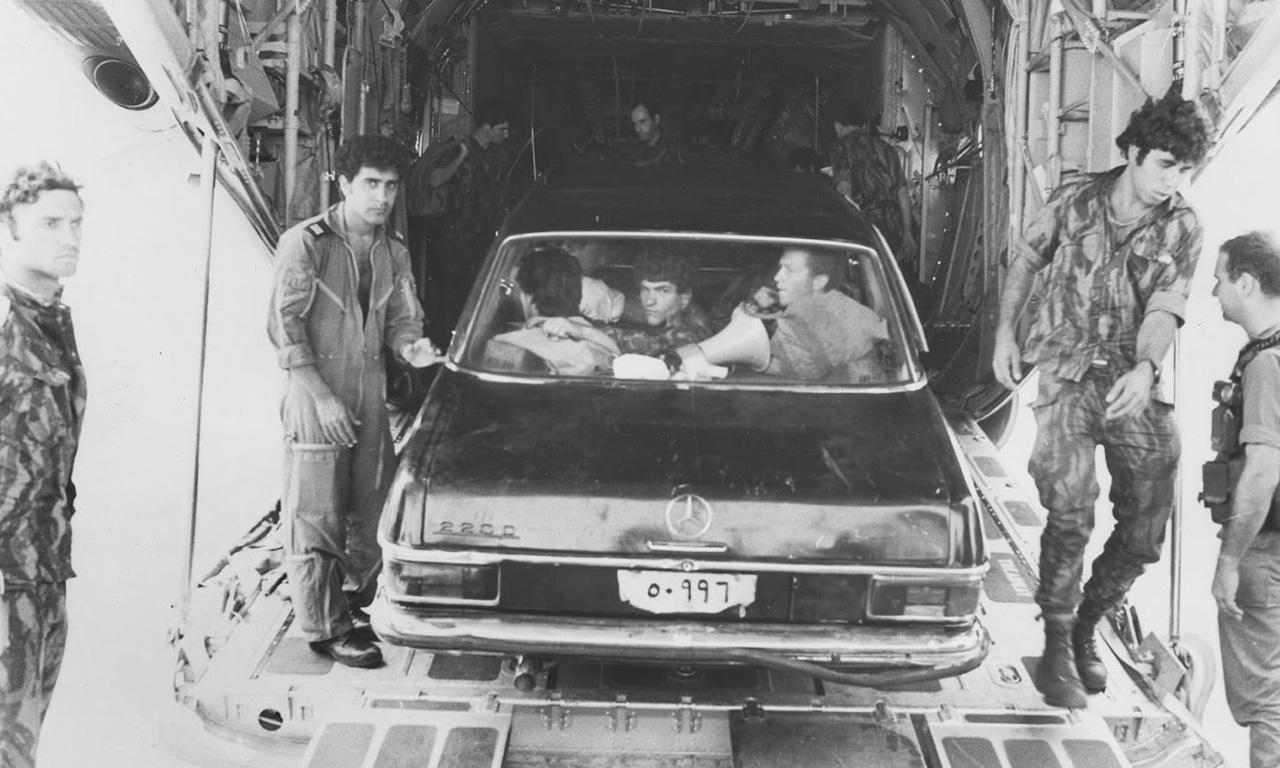
Israel’s subsequent military response, Operation Thunderbolt, later renamed Operation Yonatan in his honor, involved an intricate long-range air deployment. Four Israeli C-130 Hercules transport aircraft traversed thousands of kilometers of hostile airspace, landing at Entebbe under cover of darkness. The commandos rapidly assaulted the terminal building where the hostages were held, neutralizing the hijackers and Ugandan soldiers guarding the facility.
The operation's success was largely attributed to detailed intelligence gathering and meticulous planning. Despite the high operational risks and the significant distance from Israeli territory, the mission achieved its primary objective: the rescue of the majority of the hostages. Three hostages perished during the raid, along with all hijackers and dozens of Ugandan soldiers. A fourth hostage, Dora Bloch, an elderly Israeli woman who had been transferred to a Ugandan hospital prior to the raid, was subsequently murdered by Ugandan forces in retaliation.
The diplomatic aftermath of Operation Entebbe was immediate and far-reaching. Uganda condemned the Israeli action as a violation of its sovereignty, though international opinion largely recognized the humanitarian imperative behind the rescue. The United Nations Security Council debated resolutions condemning the raid, but no formal censure was issued. The incident highlighted the evolving nature of international terrorism and the challenges it posed to state sovereignty and national security.
For Israel, Operation Entebbe became a defining moment, celebrated as a testament to its resolve and military capabilities in protecting its citizens abroad. The death of Yonatan Netanyahu, a revered figure within the Israeli defense establishment, cemented his status as a national hero. His brother, Benjamin Netanyahu, has frequently referenced the mission and his brother’s sacrifice throughout his political career, framing it within a broader narrative of resilience against existential threats.
The statue in Uganda thus not only commemorates an individual but also stands as a symbol of a pivotal event in global counter-terrorism history. Its presence in Entebbe signifies a complex engagement with past conflicts and the enduring memory of those involved.