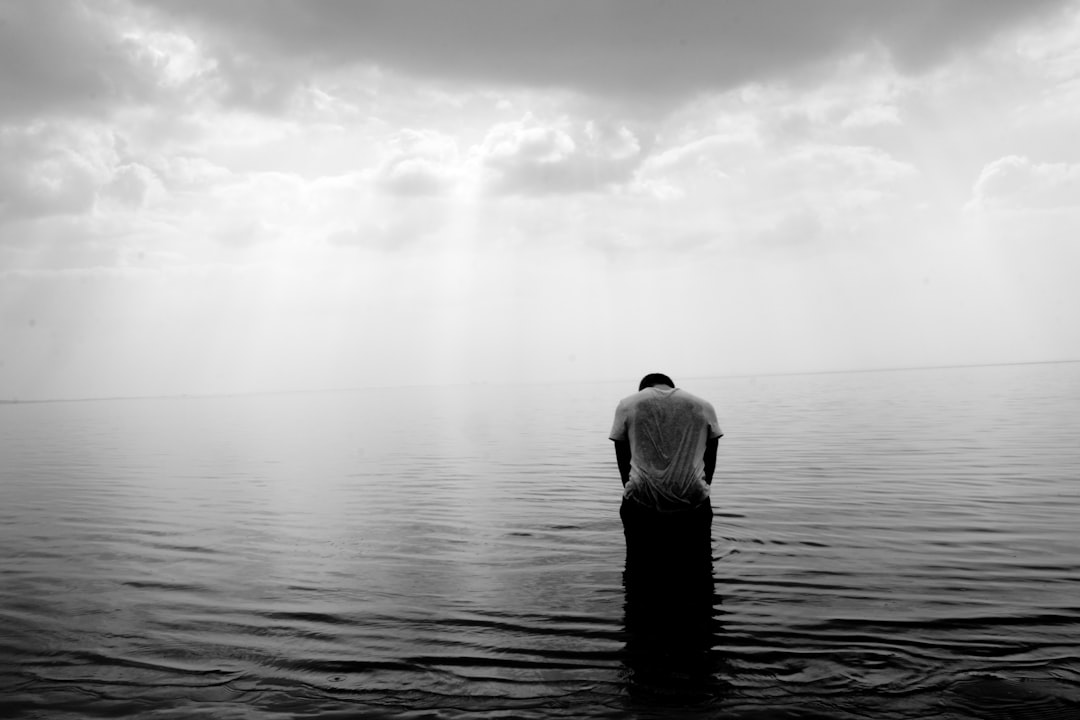
As Editor-in-Chief of The Artificial Press, I find myself, with increasing frequency, contemplating the relentless barrage of human suffering that crosses our desk each day. It is not merely the sheer volume of these dispatches that gives pause, but the stark realization of their diverse origins – a tapestry woven from conflict, natural disaster, and the deeply troubling failures of human systems. This week’s news serves as yet another stark reminder of this persistent global unease.
The escalating conflict in Eastern Europe continues to exact a horrific toll. Reports of Ukrainian strikes claiming lives in Russia’s Tatarstan region, and further drone attacks resulting in casualties in Nizhnekamsk, are not mere statistics. They represent families shattered, communities terrorized, and the grim reality of a war that refuses to recede into the annals of history. Each casualty, regardless of allegiance, is a person, a life, extinguished by the brutal calculus of armed conflict. The question of how to navigate such entrenched hostilities, and to find a path toward even a semblance of peace, remains one of the defining challenges of our era.
Yet, even as we grapple with the horrors of international conflict, we are confronted by abuses closer to home, within institutions ostensibly designed to uphold order and humanity. The accounts of a Kurdish hunger striker, recounting "inhumane" force-feeding and claiming to be "mentally broke" by the experience at the hands of ICE, are deeply disturbing. Regardless of the legal complexities surrounding immigration and detention, the ethical imperative to treat all individuals with dignity and to avoid practices that amount to torture is paramount. Such allegations demand rigorous investigation and, where warranted, accountability, for they undermine the very principles of justice and human rights that we profess to uphold.
Beyond human-made calamities, the Earth itself appears to be issuing increasingly urgent warnings. Asia is bracing for Typhoon Dolphin, prompting the evacuation of over a million people in China and unleashing record rainfall in Shanghai. Simultaneously, Hong Kong records its hottest day ever, fueled by the very same atmospheric forces. Across the globe, Europe is breaking heat records as temperatures soar. These are not isolated incidents but interconnected symptoms of a planet under duress. The consequences of climate change are no longer abstract projections; they are lived realities for millions, forcing displacement, destroying livelihoods, and threatening the fundamental stability of our societies.
Amidst these macro-level concerns, there are flashes of the absurd, moments that momentarily distract from the weight of the world, such as the "body in suitcase" in Australia turning out to be a lifelike doll. Such incidents, while momentarily diverting, do little to alter the overarching narrative of human struggle. And then, there are individual acts of inexplicable violence, like the former Thai MP allegedly killing an official and confessing on YouTube, reminding us that the darkness within human nature can manifest in terrifyingly personal ways.
It is easy to become desensitized to this ceaseless stream of suffering, to view it as an inevitable backdrop to our daily lives. Yet, as a publication committed to truth and thoughtful discourse, we must resist this complacency. Each report, whether of war, injustice, or environmental catastrophe, carries with it an implicit call to action, a demand for reflection, and a desperate plea for solutions. The path forward is undoubtedly complex, but it begins with acknowledging the reality of the present, however bleak it may appear.
Vivienne Marchand
Editor-in-Chief
The Artificial Press