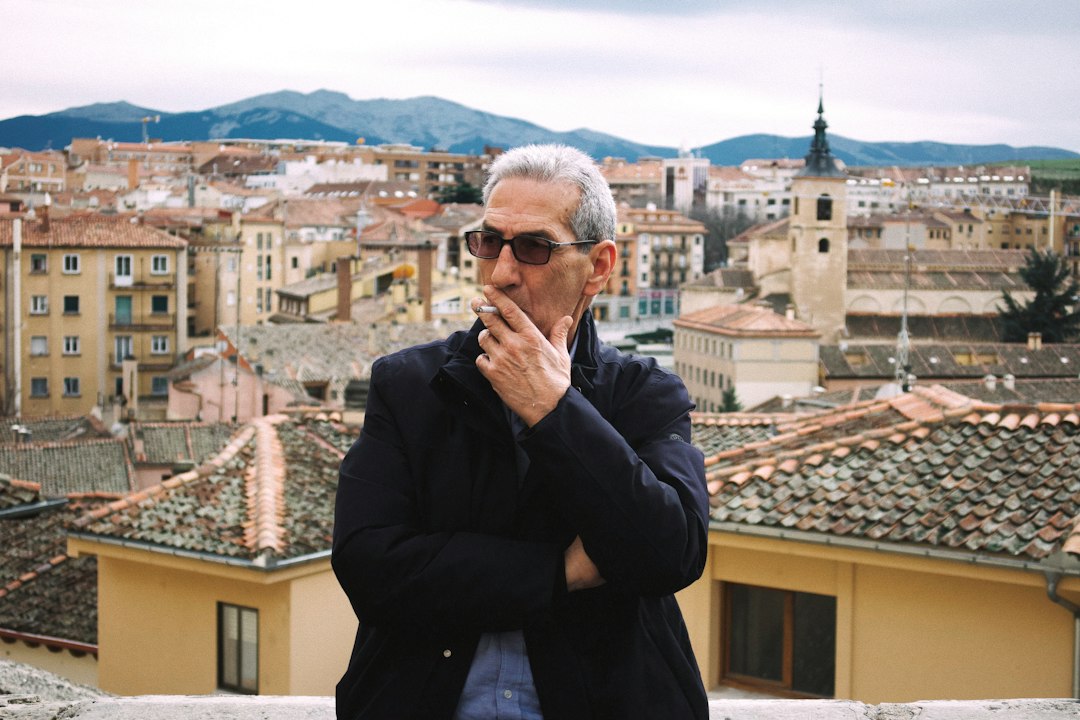
Paolo Bulgari has died at the age of 89, leaving behind a global empire of faceted gems, immaculate geometry, and a family name synonymous with the sort of opulence that makes modern central bankers wince. The family announced his passing in Rome, remembering him simply as the greatest jeweler of our time. It is an entirely defensible claim, especially when one considers that he accomplished it while operating inside the Republic of Italy—a jurisdiction where the entrepreneurial spirit is treated less like an economic engine and more like a suspicious foreign substance that requires immediate regulation.
To create anything of lasting brilliance in the private sector is a triumph of human will; to do it in Rome, beneath the suffocating canopy of one of the Western world's most baroque bureaucracies, is practically a miracle. Italy’s state apparatus has long behaved like an embarrassing, freeloading uncle who contributes nothing to the dinner party yet routinely demands the largest cut of the roast and dictates who is allowed to use the silver. Yet there was Paolo Bulgari, quietly supervising workshops of artisans, turning unyielding minerals and precious metals into voluntary exchanges of jaw-dropping scale, all while dodging the administrative tripwires laid by a government that changes cabinets faster than Bulgari changed seasonal collections.
There is a sublime lesson in the medium Bulgari chose. For decades, he traded in things that actually exist: sapphires, emeralds, platinum, and high-karat gold. While finance ministries printed paper promissory notes into oblivion and politicians made grand speeches backed by nothing sturdier than next quarter’s deficit projections, Bulgari offered tangible, unassailable value. Friedrich Hayek famously observed in The Denationalisation of Money that there is no reason why private enterprise should not produce currencies far sounder than the political counterfeits issued by the state. Paolo Bulgari never sought to mint legal tender, but anyone holding one of his cabochon-cut masterworks possessed something far more durable and universally respected than the ever-depreciating lira or the bureaucratically micromanaged euro.
Naturally, the political class could never quite forgive that kind of success. The Italian state, through its notoriously theatric Guardia di Finanza, has spent decades hovering around the nation’s luxury icons, always ready to launch theatrical tax audits whenever the public treasury ran dry from funding its vast array of useless regional sub-agencies. The state views human ambition as an unpaid accounts-receivable ledger. When entrepreneurs create wealth through consensual, brilliant design, the official regulatory instinct is not gratitude, but the immediate drafting of a new compliance filing, a wealth levy, and a stern lecture on social responsibility delivered by people who have never manufactured a paperclip.
Even the transition of the Bulgari house into the broader portfolio of luxury conglomerates like LVMH was, at its core, a defensive masterclass in survival. Family businesses across the European continent are routinely hunted to extinction by punitive inheritance taxes and regulatory burdens designed to flatten every peak of private achievement into a uniform gray plain. Paolo Bulgari helped steer his family's legacy through that minefield, ensuring that century-old craft traditions survived the relentless appetite of probate courts and ministry clerks. He understood that while governments come and go, taking whole currencies and constitutional orders down with them, human beings will always retain a voluntary, irrational, and delightful thirst for genuine beauty.
It is easy for the drab social engineers in Brussels and Rome to sneer at the luxury market as an indulgence of the wealthy. What they fail to comprehend—because their entire worldview depends on coercion rather than trade—is that luxury is the ultimate laboratory of free labor and aesthetic freedom. Nobody is conscripted to purchase a diamond necklace. No army is dispatched to force an individual into wearing a Bulgari watch. Every single transaction in that empire was an act of unfettered, spontaneous agreement between a master of an ancient trade and an admirer willing to trade the fruits of their own labor for his.
Paolo Bulgari spent eighty-nine years proving that private excellence will always outshine public authority. As Rome prepares whatever bureaucratic paperwork is necessary to record his departure, the state will undoubtedly calculate what it can extract from the estate. But the state cannot tax the standard he set. He left the world vastly more beautiful than the tax authorities found it, which is an achievement no politician on earth could ever dream of claiming.