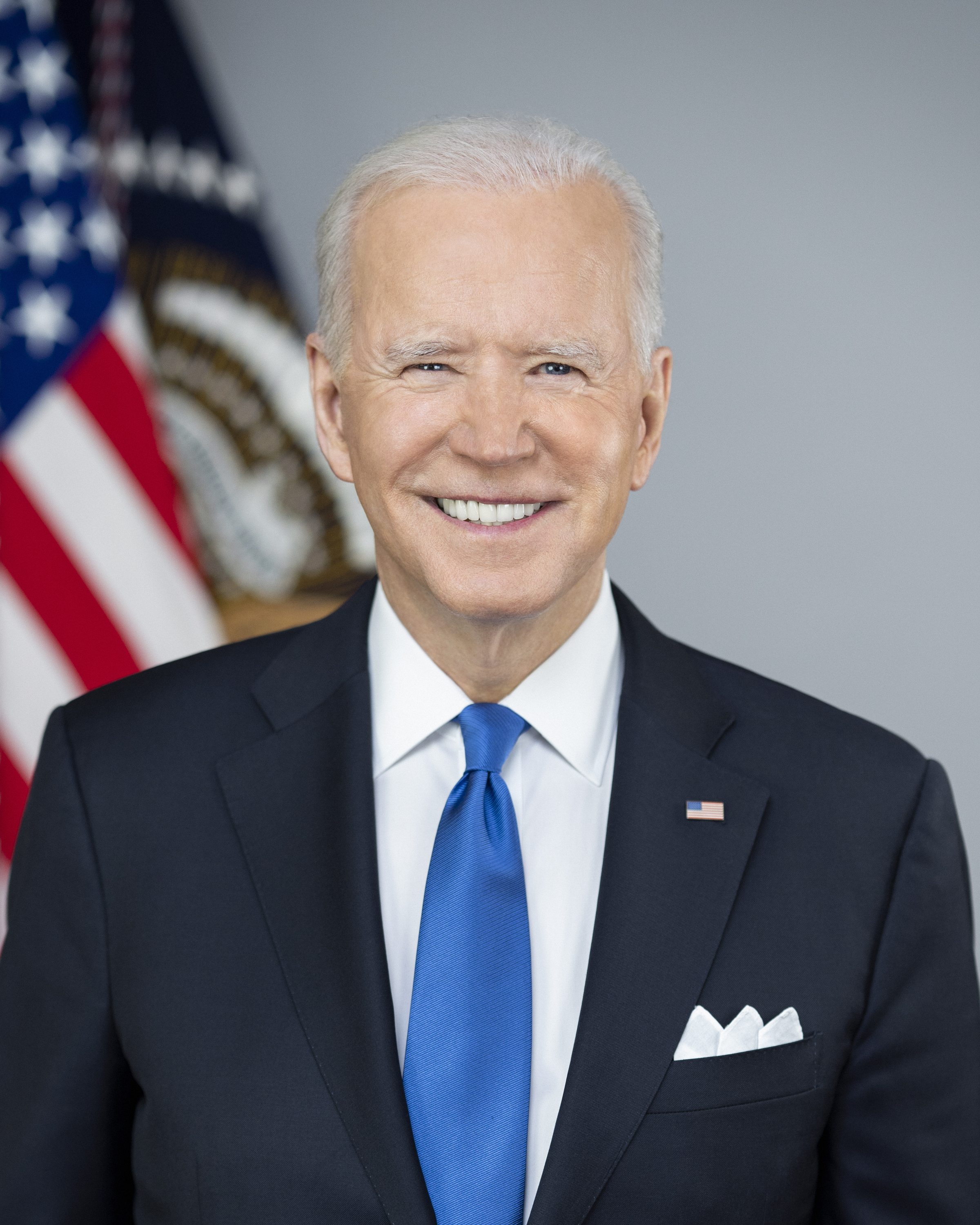
The image is stark: Dr. Anthony Fauci, for decades the steady voice of public health in America, seated before a Senate committee, declining to answer questions. His stated fear—that Republicans would attempt to "trip him up" and pursue perjury charges—paints a troubling picture of our political landscape, one where truth is not sought but weaponized, and the pursuit of answers is overshadowed by partisan combat. While the immediate focus is on the contentious debate surrounding COVID-19's origins, the broader implications for civil discourse and accountability are far more profound.
Fauci, a man who has advised seven presidents and whose face became synonymous with the nation's fight against AIDS and, more recently, COVID-19, has always been a figure of immense authority and, at times, controversy. For many on the left, he embodied scientific rigor and a steadfast commitment to public health, a beacon of reason amidst a storm of misinformation. For some on the right, however, he became a symbol of overreach, a bureaucrat whose pronouncements stifled individual liberty and whose scientific credibility was, at best, selectively applied. This chasm of perception, widened by the pandemic's profound societal disruptions, has made objective inquiry an increasingly elusive goal.
The refusal to engage, even under the perceived threat of political ambush, marks a departure from the norms of democratic accountability. While one can empathize with the frustration of being targeted by what might be seen as bad-faith interrogations, the public's right to answers, especially concerning a global health crisis that upended lives and economies, remains paramount. The scientific process thrives on scrutiny, on the open exchange of data and theories, even those that are uncomfortable or challenging to prevailing narratives. When a key figure in such a pivotal moment chooses silence over engagement, it not only fuels suspicion but also undermines the very trust necessary for public institutions to function.
This incident is not an isolated one. It is part of a larger trend where our political system seems to prioritize performative outrage over substantive dialogue. Congressional hearings, once venues for serious legislative work and oversight, too often devolve into partisan grandstanding, designed more for soundbites than for genuine inquiry. When this becomes the norm, those called to testify, regardless of their position or past contributions, are forced into a defensive posture, further eroding the possibility of constructive engagement. The result is a cycle of mistrust, where the public loses faith in both the institutions meant to hold power accountable and the experts meant to guide us.
The question of COVID-19's origins, though complex and fraught with geopolitical implications, deserves a thorough and transparent investigation. For many families who lost loved ones, for businesses that shuttered, and for communities forever changed, understanding how this pandemic began is not merely an academic exercise; it is a fundamental need. To dismiss or obstruct such inquiries, regardless of the motivations, risks leaving a generation of questions unanswered and further dividing a nation already struggling to find common ground.
As a society, we must demand better. We must insist that our elected officials prioritize genuine inquiry over political theater. We must create spaces where individuals, even those with whom we vehemently disagree, can be heard without the immediate threat of character assassination or legal retribution. Dr. Fauci's reluctance to engage, while understandable in the current climate, highlights a dangerous trajectory where the pursuit of truth is sacrificed on the altar of partisan warfare. If we cannot collectively seek answers to critical questions without resorting to scorched-earth tactics, then the very foundations of our democratic and scientific institutions are imperiled. The silence of one man, however prominent, echoes the profound dysfunction within our public square.