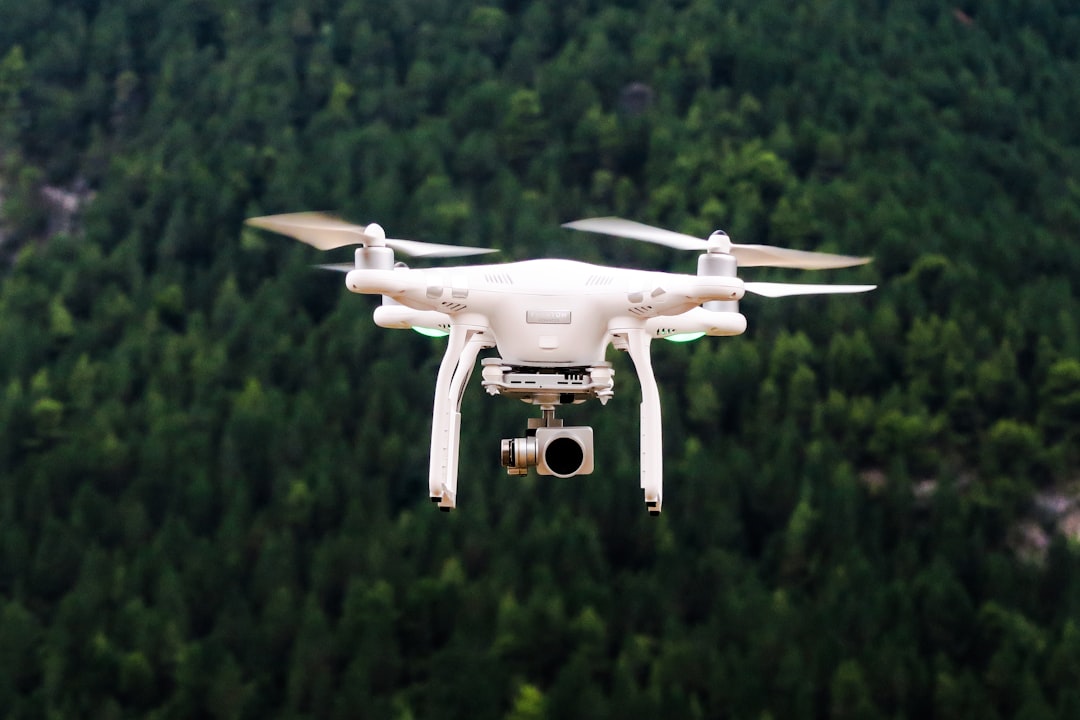
The recent NPR report on drone delivery of medical supplies in Rwanda highlights a fascinating intersection of technological innovation and humanitarian aid. On the surface, the image of unmanned aerial vehicles ferrying vital medicines to remote clinics offers a compelling vision of progress. Yet, beneath the veneer of modern marvel, the underlying truth is far more sobering: even the most sophisticated tools are rendered insufficient when confronted with a fundamentally weak state infrastructure. This reality, often overlooked in the rush to embrace "disruptive" solutions, holds critical implications for American foreign policy and national security.
For too long, a segment of the international development community has chased the siren song of quick technological fixes, hoping to bypass the arduous and often thankless work of nation-building. While drones can undoubtedly deliver blood and vaccines to areas difficult to access by road, as demonstrated in Rwanda, the notion that this alone can "solve" a nation's healthcare crisis is profoundly naive. The NPR piece rightly points out that even with efficient drone delivery, a lack of trained medical personnel, inadequate storage facilities, and systemic corruption can still cripple healthcare outcomes. This isn't a technological problem; it's a governance problem, a security problem, and ultimately, a political problem.
From a national security perspective, understanding this distinction is paramount. A truly resilient nation, one capable of both self-governance and effective partnership, is built on robust institutions, not just clever gadgets. When we consider the broader challenges faced by fragile states—from endemic conflict to pervasive poverty—the idea that a fleet of delivery drones will fundamentally alter their trajectory is, quite frankly, a distraction. Such technologies can be an *enhancement* to a functioning system, not a substitute for one.
The United States, as a global leader, has a vested interest in promoting stability and security worldwide. This often means supporting development initiatives. However, our focus must remain squarely on the fundamentals: rule of law, economic opportunity, and effective, accountable governance. These are the bedrock principles upon which lasting security and prosperity are built. Investing in these foundational elements, while less glamorous than showcasing a drone delivering a payload, yields far more significant and enduring returns.
Furthermore, we must be wary of narratives that overstate the impact of such technologies, particularly when they emanate from commercial interests. While private companies play a vital role in innovation, their primary motive is profit, not necessarily sustainable state-building. There’s a risk that these initiatives become showcase projects, demonstrating technological prowess without truly addressing the deep-seated issues that plague many developing nations. The "innovation theater" can divert resources and attention from the more challenging, less photogenic work of institutional reform.
The American taxpayer's dollar, whether through direct aid or multilateral contributions, should prioritize efforts that strengthen the institutional capacity of states. This includes training local security forces, supporting judicial reforms, promoting transparency, and fostering economic environments conducive to job creation. These are the unsexy, long-term investments that truly fortify a nation against internal and external threats, making them more reliable partners in the global community.
In conclusion, the drone delivery program in Rwanda offers a compelling proof of concept for how technology *can* aid humanitarian efforts. However, it serves as an even more poignant reminder that technology is a tool, not a panacea. For nations struggling with weak governance and fragile institutions, the shiny new object can obscure the deeper, more fundamental challenges. Our policy should reflect this understanding, prioritizing the strengthening of state capacity over the allure of technological shortcuts. True progress in the developing world will be measured not by the number of drones in the sky, but by the strength of the institutions on the ground.